What Is a Primary Suite Addition?
A primary suite addition is the most significant single-room investment a homeowner can make — and for good reason. Done well, it transforms the space you use most and adds lasting value to the home. It's also the addition type that benefits most from a builder who knows mountain construction, local permitting, and how to keep costs visible from day one.
The typical scope: a new primary bedroom, a private en-suite bathroom, and a dedicated walk-in closet. From there, scope expands based on what the homeowner wants and what the site allows — a sitting room, a private deck oriented toward the mountains or reservoir, a fireplace, a steam shower, radiant heat floors, custom built-ins. Every element adds cost and adds value.
Cost Ranges — Northern Utah Mountain Communities (2026)
Here's what primary suite additions realistically cost across OVB's service area. These are all-in project figures — design coordination, permits, labor, materials, and management fee under a Cost Plus structure. No allowance padding, no buried markup.
| Scope | Square Footage Added | Estimated Cost | Finish Level |
|---|---|---|---|
| Bedroom + en-suite bath bump-out | 400–550 sq ft | $135K – $195K | Mid to mid-high |
| Bedroom + luxury bath + walk-in closet | 550–750 sq ft | $195K – $285K | Mid-high to high |
| Full suite — sitting room, deck, or premium spec | 750–1,000+ sq ft | $285K – $450K+ | High to luxury |
Mountain community projects in Northern Utah carry a 10–15% cost premium over comparable work in the Ogden, or Weber metro area. Material delivery logistics, subcontractor travel time, and greater structural complexity at elevation are real factors — and any estimate that ignores them is incomplete. OVB prices to what a project actually costs, not to win a bid.
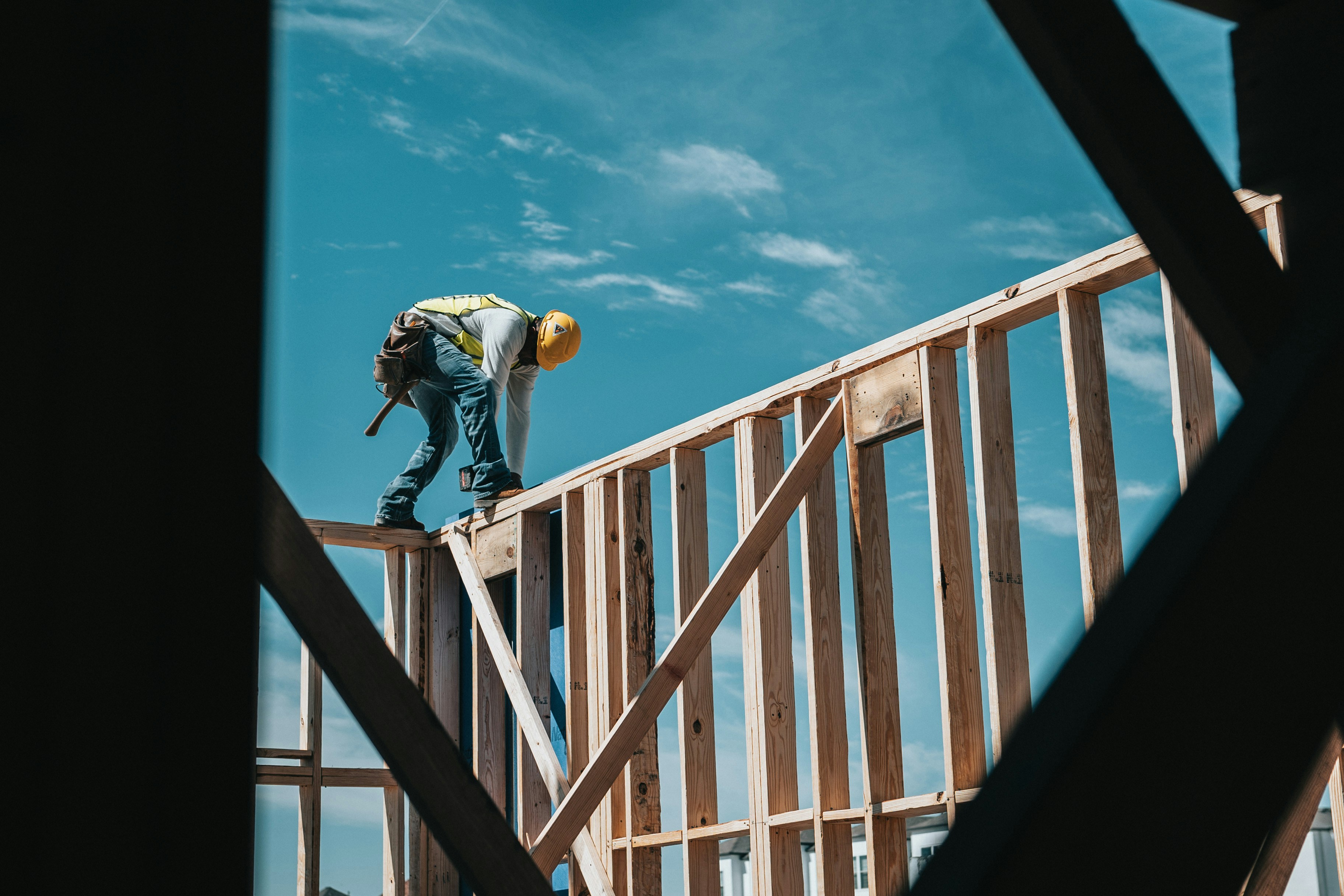
Framing a primary suite addition in Ogden Valley — roofline tie-in complete, mechanical rough-in next.
What Drives the Number Up
No two primary suite additions land at the same cost. These are the factors that move the number most significantly:
-
1
First Floor vs. Second Story
Ground-floor additions are generally more straightforward — no shoring, no stair integration, simpler roofline tie-in. Second story additions require structural engineering, temporary shoring of existing structure, and careful roofline planning. Most second story primary suite adds run 20–35% more than an equivalent first-floor addition.
-
2
Bathroom Specification
This is where primary suite budgets diverge most sharply. A well-appointed bathroom can run $30K–$45K. A fully specified luxury bath — freestanding tub, large-format tile, steam generator, custom vanity, heated floors — runs $60K–$90K+. Select fixtures and tile before the budget conversation. It matters more than almost any other decision.
-
3
Roofline Complexity
A clean gable addition tying into a simple existing roofline is well-understood work. Matching a complex multi-plane roofline on a mountain home with dormers, hips, or irregular geometry adds both framing hours and design coordination time. Roof transitions done poorly become a long-term liability. They have to be right.
-
4
HVAC Extension and Zoning
New square footage means extending mechanical systems. If the existing system is undersized or aging, the addition is the right time to address it. Independently zoning the primary suite — so a cold winter night doesn't mean heating an empty floor — is worth the upfront cost.
-
5
Foundation and Structural Conditions
Adding onto a slab behaves differently than adding onto a crawl space or full basement. Existing beam and bearing wall conditions sometimes need reinforcement before the addition can be framed. A preconstruction site assessment surfaces these conditions before they become mid-construction surprises — and budget shocks.
-
6
Private Deck or Outdoor Connection
Mountain homes are built to live outside. A private deck off the primary suite — oriented toward Snowbasin, Pineview, or the valley below — is among the highest-ROI additions possible in Ogden Valley. Composite decking, cable railing, and a door-to-deck transition done well transform how the space functions year-round.
-
7
Site Access and Delivery
Properties on canyon roads, at elevation, or on difficult lots carry delivery premiums that don't exist in the valley. Not a dominant cost driver — but it's real, and it belongs in your estimate from the start. OVB accounts for it in preconstruction, not mid-project.
Building in Ogden Valley and the Surrounding Communities
OVB builds primary suite additions across Weber and Morgan Counties. The communities we serve most actively each have their own permit jurisdiction, terrain profile, and site character — and those differences show up in how a project is planned and sequenced.
In both Weber and Morgan Counties, any structural addition requires a building permit with stamped engineering drawings. OVB manages the full permitting process — from application through every required inspection — as part of every project. Permit review timelines typically run 4–8 weeks depending on county workload at time of submission.
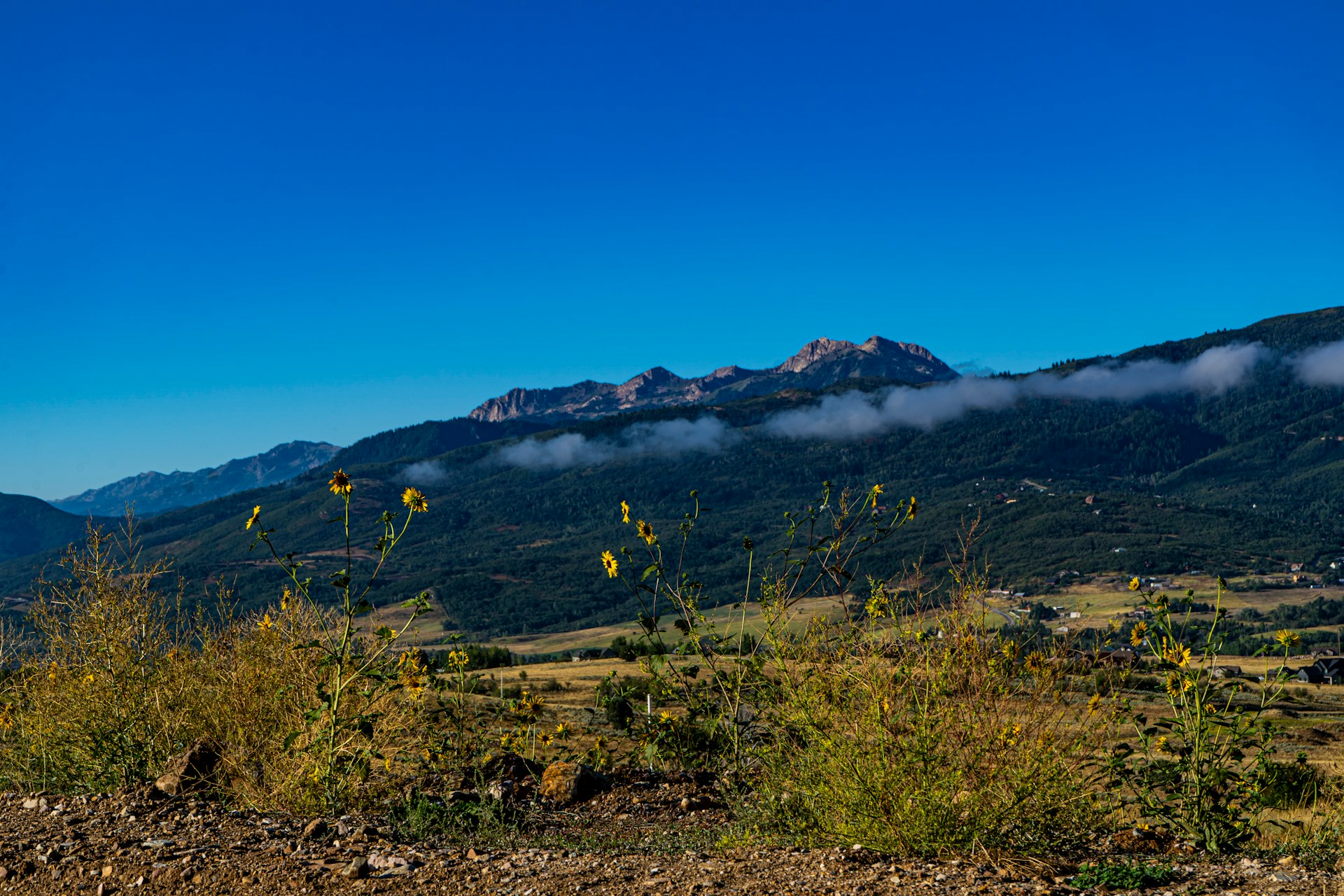
OVB builds primary suite additions across Weber and Morgan Counties — from canyon lots in Eden to valley homes in Mountain Green.
Why Cost Plus Makes Sense at This Scope
A primary suite addition is not a small project. At $135K–$450K+, you should know where every dollar is going — not get a lump-sum number with no visibility into what's driving it.
OVB operates exclusively on a Cost Plus model. Material and subcontractor costs pass through at actual cost — what OVB paid, documented. The management fee covers preconstruction, scheduling, site management, quality oversight, and Commissioning coordination. Every invoice is accessible throughout the project in your JobTread client portal.
There are no inflated allowances, no padded subcontractor quotes, and no fixed-price contract designed to protect the builder's margin at the client's expense. If the project comes in under budget, you keep the savings. That's the only way OVB builds.
Timeline Expectations
Homeowners who start conversations in March or April are in a strong position for a late-summer or fall Commissioning. Here's how the timeline typically maps out:
Preconstruction (2–4 months): Design development, structural engineering, permit submission, subcontractor scheduling, and material procurement. This phase takes longer than most homeowners expect. It's also where project quality is established — or compromised.
Construction (4–7 months): Site prep, foundation work if needed, framing, mechanical rough-in, insulation, drywall, finishes, fixture installation, and Commissioning. Timeline varies based on scope, subcontractor availability, and inspection scheduling in Weber or Morgan County.
Total from first conversation to Commissioning: 6–10 months is the realistic range. Complex second-story additions or projects with significant structural work run toward the longer end.
Working With an Architect or Interior Designer
The best primary suite additions begin with clear design intent — and that usually means working with an architect or interior designer before a GC is involved. OVB integrates seamlessly into your design team. Bring us in during design development and we can provide real-cost feedback as drawings evolve, before decisions are already locked in.
We partner with architects and designers across Ogden Valley and Weber County who understand mountain living at this budget level. If you don't yet have a design partner, we can make introductions. If you do, we're the builder they can count on to execute the vision without improvising in the field.